OCTOBER/NOVEMBER 2023
12 hrs - $240
Beginner/Advanced Monday, October 16 & 23 and November 13 & 20 6p - 9p Location: The Oklahoma Academy of Classical Art 12 E. Burton Place, Edmond, OK 73013 |
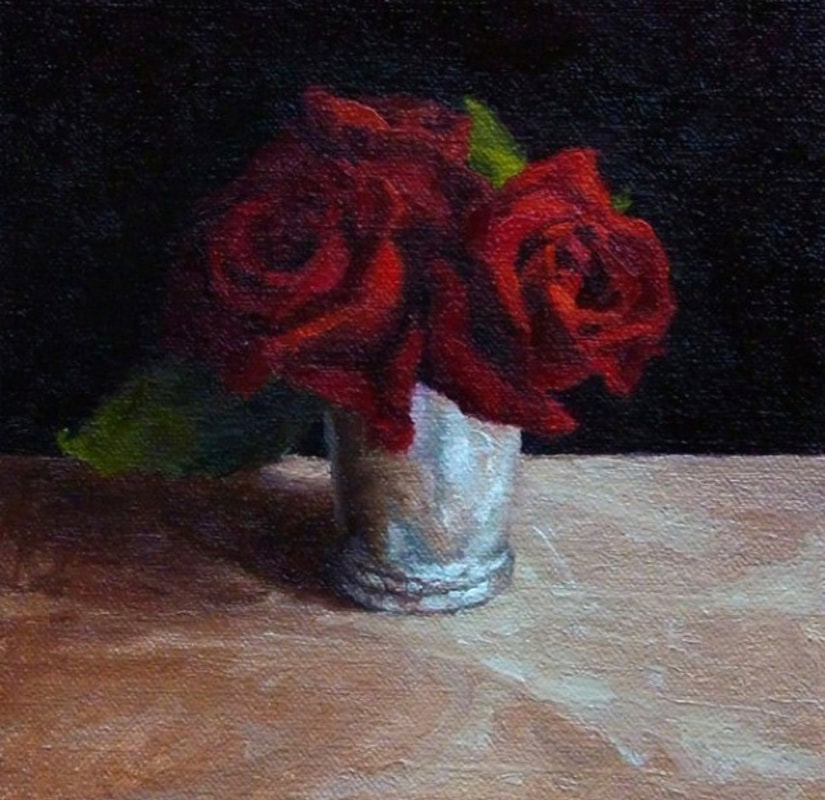
HOW TO PAINT GLASS, METAL & OTHER SHINY THINGSThere are two types of highlights (reflections) - specular and diffuse. When illuminated, we see highlights on objects and in nature and when we paint them it is useful to understand the character of each type of highlight and how to paint them. Spectral highlights occur on objects that appear shiny and smooth like water, glass, ceramics, metal, etc. Diffuse highlights occur on objects that have a matte surface quality. In this course we will study the effects of light on various objects and how to paint them convincingly. We will work from the still life using a variety of objects and surface qualities. Artists are welcome to use oils, acrylics, pastels or watercolor.
|
AUGUST/SEPTEMBER 2023
12 hrs - $240
Beginner/Advanced Monday, August 14, 21 & September 11 & 18 6p - 9p Location: The Oklahoma Academy of Classical Art 12 E. Burton Place, Edmond, OK 73013 |
PAINTING THE LANDSCAPE
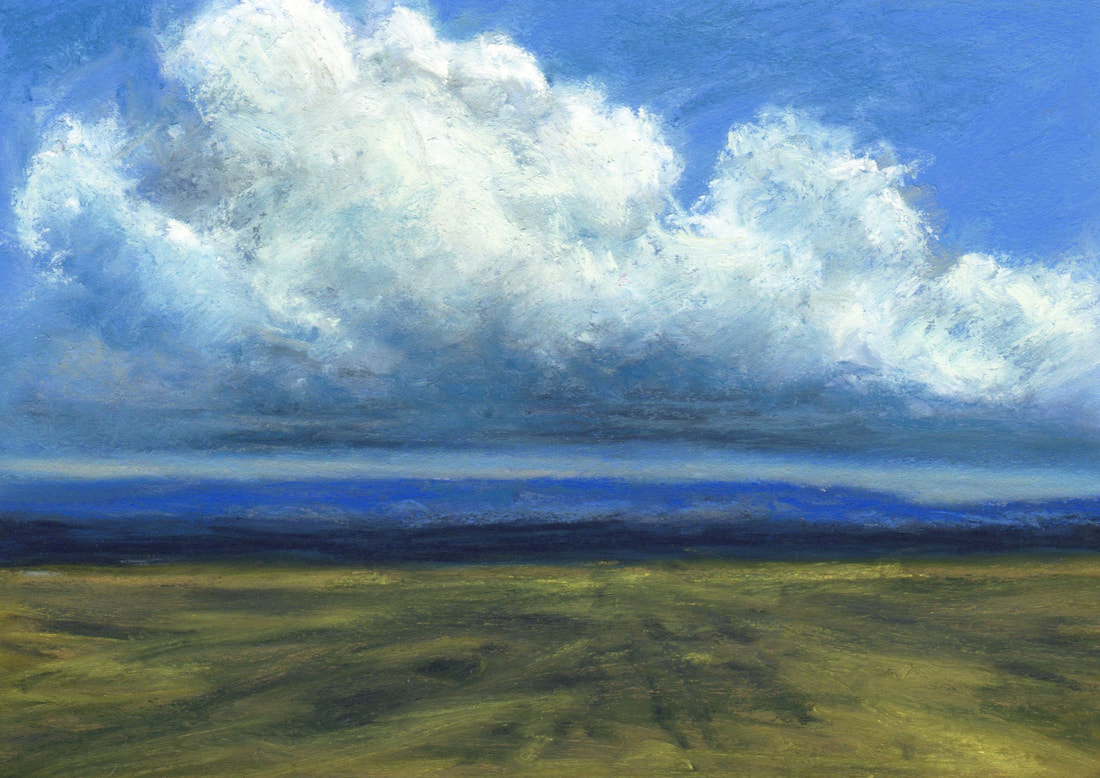
Painting in the studio may not be as fun as painting en plein air, but it is certainly as challenging and rewarding. In this course, we will work from photos to create a landscape painting. Using a systematic approach we’ll start with selecting the optimal reference photos and how to modify the design for a better painting. Preliminary sketches and Notan studies will be made to help us isolate simple shapes and create a solid composition. Linear and atmospheric perspective along with color and value harmonies will be key to our focus. Students are invited to use their medium of choice - oils, acrylics, watercolor, gouache or pastels. Reference material will be provided but please feel free to bring photos that you want to work from.
|
AUGUST/SEPTEMBER 2023
12 hrs - $240
Beginner/Advanced Monday Mornings, August 14, 21 & September 11 & 18 10a - 1p Location: The Oklahoma Academy of Classical Art 12 E. Burton Place, Edmond, OK 73013 |
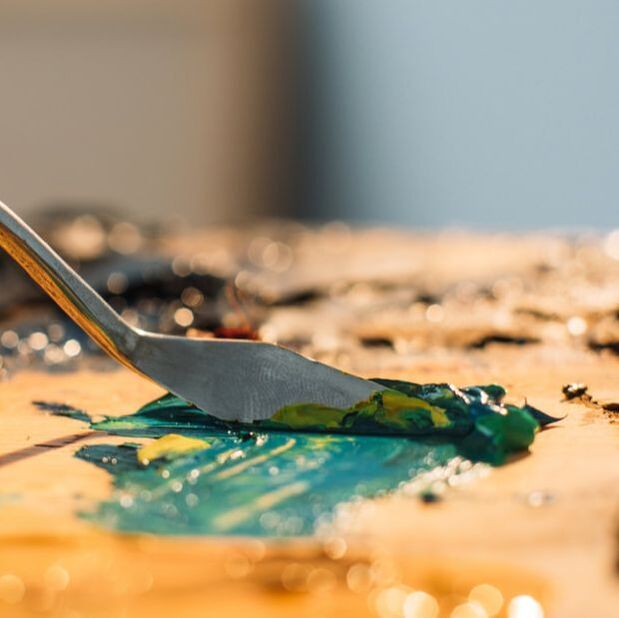
UNDERSTANDING COLOR
|
JUNE/JULY 2023
SOLD OUT
12 hrs - $240 (+ $30 model fee) Monday, June 19, July 3, 10 & 17 6 - 9 pm Location: The Oklahoma Academy of Classical Art 12 E. Burton Place, Edmond, OK 73013 |
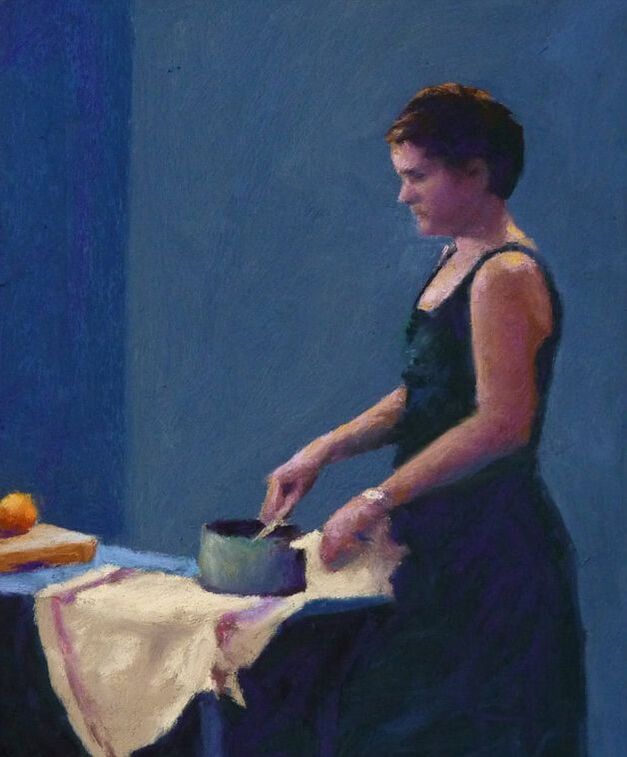
THE COSTUMED FIGUREThere is real benefit and personal satisfaction in depicting daily life in our paintings and drawings. In this course we'll study the clothed figure while in a staged, yet naturalistic environment. We'll focus on organizing the scene using a step-by-step approach with a strong emphasis on design and composition, drawing accuracy, gesture, color and value harmonies and capturing the essence of the pose. Students will perform skill building exercises and time permitting, will work toward accomplishing two finished pieces from two different scenarios.
Students may choose their medium and either draw or paint. Suggested materials lists will be provided on enrollment. |
12 hrs - $240 + $60 for model fees
TBA Location: The Oklahoma Academy of Classical Art 12 E. Burton Place, Edmond, OK 73013 |
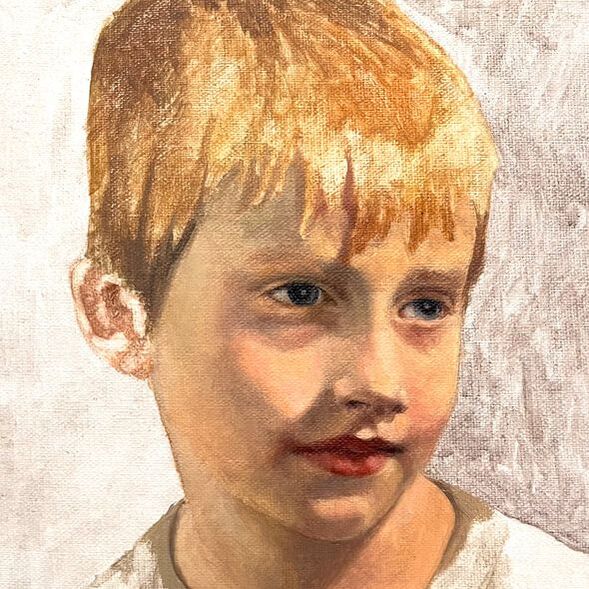
PORTRAIT PAINTINGUsing the form painting method, students will learn the systematic and time-tested approach for creating a finely crafted portrait from the life. We'll cover the foundational drawing first, spending plenty of time getting a good likeness. We'll cover organized mixing using a closed palette, (the process of mixing color strings prior to painting), the color wash, the second pass rendering and finishing. This is a hybrid course and will meet for two 3 hr sessions, break for home study and will meet again for the final two 3 hr sessions. Students will have the option to meet online for critique and insights with Leslie between in-person sessions.
|